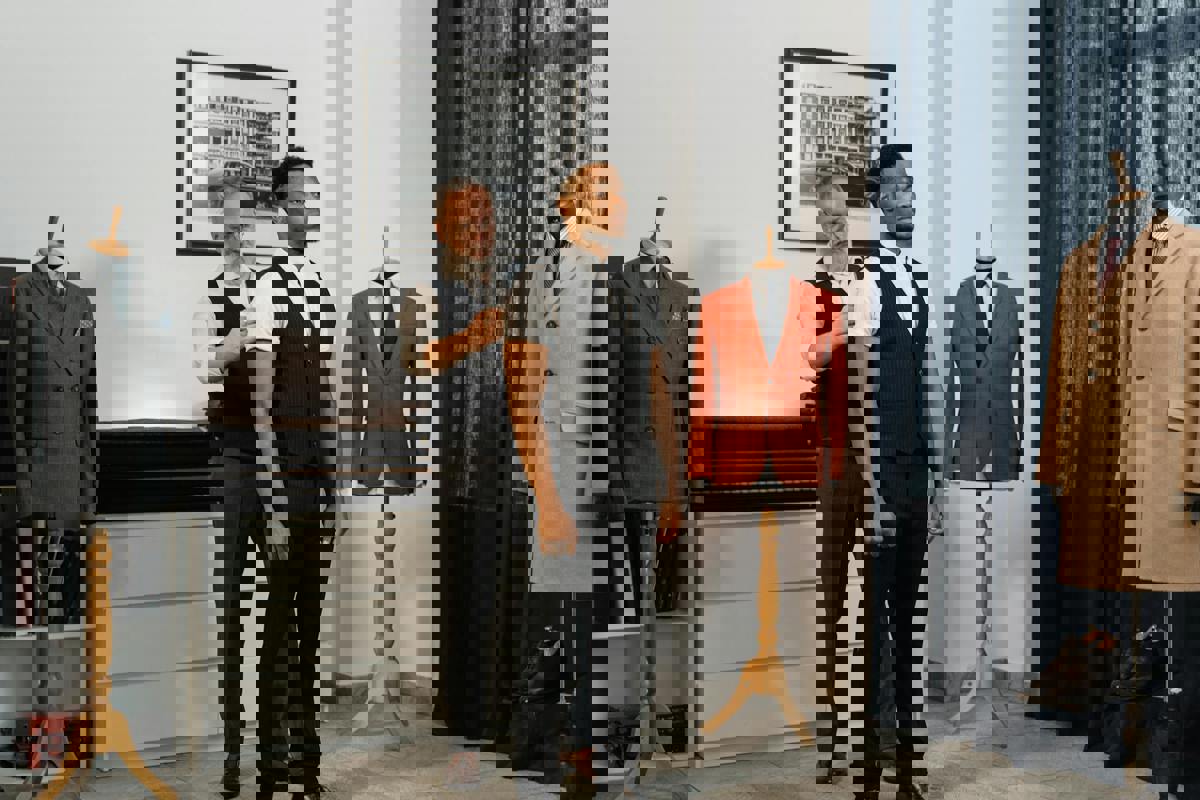
In recent years, downtown’s fashion scene has undergone a remarkable transformation, and at the heart of this shift are bespoke tailors and their handcrafted suits. Unwilling to settle for mass-produced, fast-fashion offerings, discerning consumers are turning to master tailors for clothing that stands apart. The resurgence of interest in bespoke suits signals a renewed respect for traditional craftsmanship and individuality in how Canadians dress for work and special occasions alike.
The appeal of bespoke tailoring lies not only in its customization but also its sustainable approach. “Our clients care deeply about where and how their clothes are made,” says Gerald Singh, a veteran master tailor. Unlike ready-to-wear alternatives, every bespoke suit is meticulously constructed to match the wearer’s measurements, style preferences, and lifestyle needs, resulting in a garment made to last. This attention to detail ensures both quality and longevity.
Sustainability has become a defining feature of the bespoke tailoring revival. With fast fashion’s environmental costs under scrutiny, many Canadians are searching for alternatives that support local artisans and minimize waste. According to the Canadian Apparel Federation, consumer interest in locally sourced, responsibly produced fashion has surged by nearly 40% in the past five years. Bespoke suits, made in small quantities with carefully chosen materials, fit seamlessly into this movement.
In addition to environmental considerations, the process of commissioning a bespoke suit is an experience in itself. Customers collaborate closely with their tailors in multiple fittings, selecting fabrics, linings, cuts, and finishes. “It’s very personal,” notes Amélie Bouchard, who opened her atelier downtown in 2020. “People love being involved in the creative process. They develop a deeper connection with their clothing, which just doesn’t happen with mass-produced items.”
There is also a social and economic impact to supporting local tailoring businesses. As demand for bespoke suits rises, tailors are hiring skilled apprentices and expanding their studios. This resurgence provides employment opportunities while helping to preserve traditional techniques threatened by globalization. Industry insiders emphasize that each hand-sewn suit is an investment not only in the wearer’s wardrobe but in the broader downtown economy as well.
Clients span generations and backgrounds, from young professionals seeking a unique look to long-time patrons craving time-honored elegance. Social media platforms have played a significant role in boosting interest, as images of stylishly dressed customers circulate online. Fashion consultant Marcus Young observes, “People are attracted to authenticity. There’s a story behind every suit, and that narrative resonates in a way mass-market fashion never could.”
Pricing remains a consideration for would-be clients, as bespoke suits carry a higher upfront cost than their off-the-rack counterparts. However, supporters contend that the longevity and workmanship justify the investment. According to Statista, Canadians spend an average of $173 per year on clothing, but those who opt for bespoke tailoring find that fewer, better garments reduce the need for frequent replacement. This shift in consumption habits may signal a broader change in fashion values.
The demand for customized attire is also influencing corporate dress codes and special events. Companies are moving toward allowing more personalized professional attire, and weddings or galas increasingly feature tailored outfits. “People want to express themselves,” says stylist Nadia Patel. “A bespoke suit isn’t just for the boardroom anymore—it’s part of how someone presents their unique identity, whether at work or on the weekend.”
Training future generations of tailors has become a priority within the industry. Bespoke ateliers are launching apprenticeship programs and collaborating with local design schools to keep traditional sewing and pattern-making skills alive. These initiatives help ensure that the artistry and precision of bespoke tailoring endure in a fashion landscape dominated by automation and speed.
As downtown’s bespoke suit makers continue to attract attention, their future looks promising. By embracing sustainability, celebrating craftsmanship, and offering a distinct alternative to fast fashion, they are reshaping how Canadians view clothing and personal expression. For those seeking garments that tell a story, fit perfectly, and endure for years, bespoke tailoring stands out as a revitalizing force in the evolving world of fashion.